
Entefyers Wanted

Entefyers wanted

ENTEFYERS WANTED for a journey through uncharted terrain to reach the top of technology’s Mount Everest, the AI interaction platform for everyone and everything. Only the bold need apply.

It takes tenacity, grit, and unswerving focus to climb towards the world’s first universal communicator. The trek isn’t easy. What keeps Entefyers going is the possibility of accomplishing something so audacious that only few have the stamina to even try.

Which means we plan every step forward carefully, knowing we have just one shot to leave our mark. It means relentlessly creating, iterating, revising, repairing, redeploying. Again and again until it’s perfect. Whatever problem we’re solving we solve before we move on to the next. Because when we do get it right, the way the world communicates and interacts digitally will change forever.

This trek is not for everyone. We’re dedicating blood, sweat, and tears to build core technology that gives people precious hours back in their days. As people, we’ve been handed a world defined by digital chaos and complexity. Trillions of messages. Billions of smart machines. Millions of apps. Zillions of pings and dings. Noise so loud it can at times drown out what’s important in our lives. For us Entefyers, this trek is not a job but a mission. A mission to redefine digital interaction.

Entefyers are becoming better and stronger every day because we’re pushing ourselves to do the best work we’ve done in our careers. To us, craftsmanship is not a luxury, it’s a necessity. We strive for excellence, courageous innovation, and magic. That’s right: magic.

Got your climbing gear ready? Because we’re hiring.
Infographic

Trial by AI: artificial intelligence now in session

The Sixth Amendment to the U.S. Constitution guarantees “the right to a speedy and public trial, by an impartial jury.” It cannot, however, guarantee a perfectly fair trial, or an effective jury, or an infallible judge. Humans make mistakes, and the courtroom is no exception: juries make the wrong decision approximately 1 in 8 times. Those mistakes have a tremendous impact on defendants’ lives, made explicit by data that suggests 1 in every 25 people sentenced to death in the United States are innocent of the crime they were found guilty of committing.

In the abstract, a trial involves the evaluation of a set of facts, the comparison of those facts to a set of rules, and a decision on whether a violation has occurred. Which sounds like a system that an intelligent machine could manage. A properly designed artificial intelligence could in theory speed up trials and increase consistency in court decisions, which in turn could lead to increased accuracy and fairness. This is not entirely speculative. Meet ROSS: an artificially intelligent attorney hired by one of the largest law firms in the U.S. In the UK, researchers are working on an AI that can replace the need for a judge by examining evidence and deciding right and wrong to predict the outcome of trials. “The AI ‘judge’ has reached the same verdicts as judges at the European court of human rights in almost four in five cases.”

Forming an opinion on whether AI should have a role in the justice process can be complex. A defendant’s right to a trial by a jury of their peers is a cornerstone of American jurisprudence. Yet humans are fallible, and swayed by emotion. Artificial intelligence agents could conceivably provide accuracy and impartially, but the jury is still out on whether they can become capable of moral and ethical reasoning.

If you stood accused of a­­ crime, would you want an AI to be your judge, jury, or lawyer?

Check out our article on AI that has accurately predicted the past 4 presidential elections.

Infographic

Fun facts: Turkeys and Thanksgiving

There are as many as 270 million turkeys raised in the U.S. each year. In an annual Thanksgiving tradition, one of those lucky turkeys is selected to receive a Presidential pardon and spared from becoming the centerpiece of a White House dinner. The chance of a turkey being pardoned by the President is a longshot on par with the chance of any of us winning the Powerball jackpot.

Here are few more turkey fun facts: Domesticated turkeys cannot fly, but wild turkeys can, at least for short distances. When astronauts Neil Armstrong and “Buzz” Aldrin ate their first meal on the moon, it was roasted turkey. And though often cited as fact, Benjamin Franklin did not actually propose the turkey as the national bird over the bald eagle.

Bread

On gratitude and the breaking of bread this Thanksgiving

As we prepare for the Thanksgiving holiday, we couldn’t help but to reflect on the meaning of companionship and the feeling of fellowship. The word companion found its roots in Latin: com (together) + panis (bread), breaking bread together. Which seems fitting, as the feelings you have for a dear friend—warmth, closeness, joy—are magnified by the simple act of sharing a meal around the table.

Companionship strengthens the work that we do, making one-of-a-kind technology designed around people and their connections. We’re excited about what lies ahead when more and more of the world become connected: where the face-to-face feelings of friendship can happen over any distance.

Like holiday dinner plates, our hearts are filled with gratitude for the many amazing individuals who’ve broken bread at our table. It’s you—our colleagues, investors, advisors, and friends around the world—who’ve become our extended family and inspire in us a deep sense of camaraderie and fulfillment.

We wish you a bountiful holiday season and hope these words of gratitude find you well.

The Entefyers

Infographic

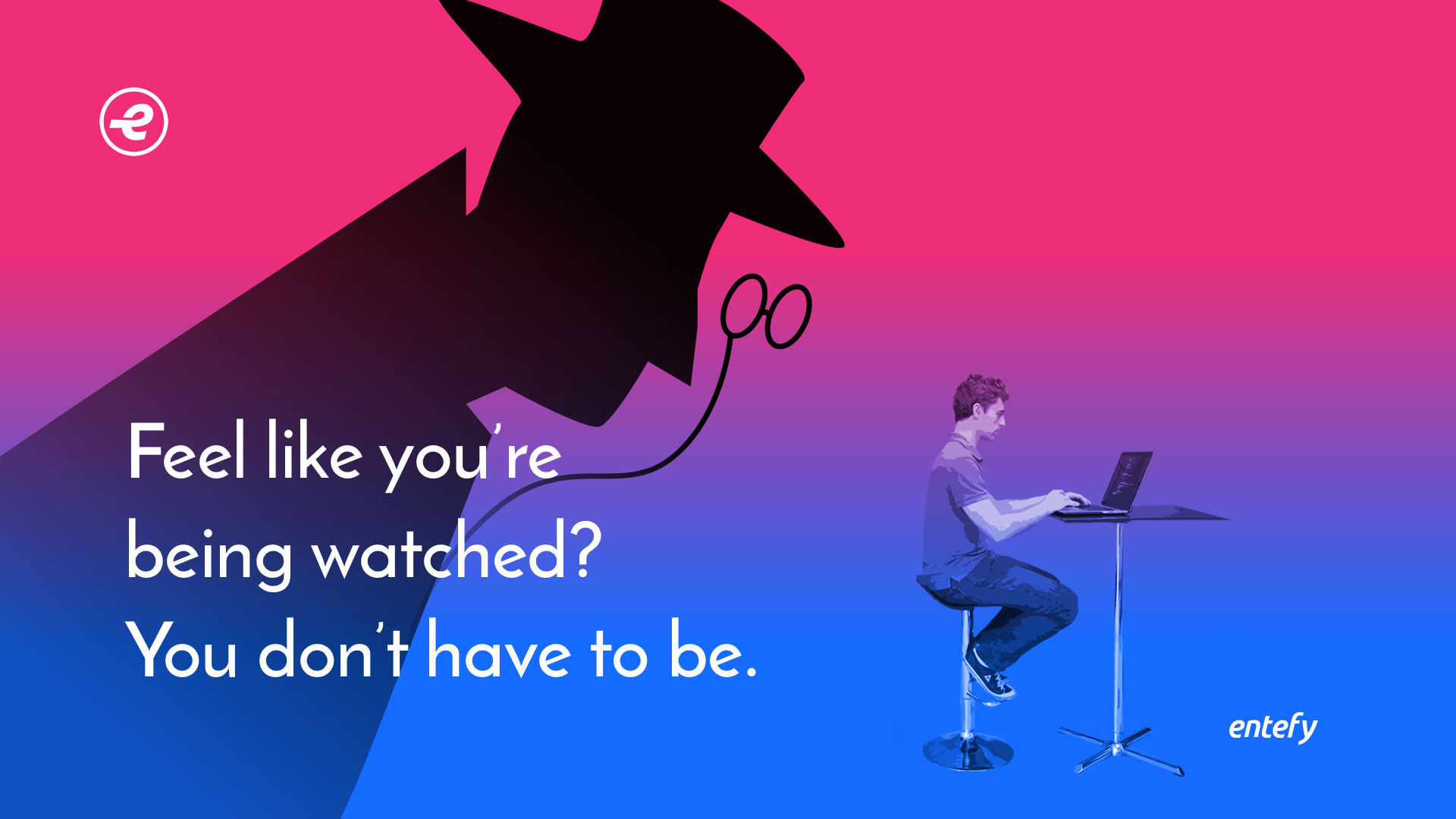
Data trackers are watching your every (digital) move

A U.S. data security company recently discovered that a manufacturer of prepaid phones had designed its firmware to automatically send contacts, messages, and call logs to a Chinese server every 72 hours. Whatever the motivation behind this security backdoor, the functionality was not disclosed to users.

Knowingly or not, we’re handing over valuable personal data in exchange for using applications and devices—whether they’re free or not. This data collection enables services that can be useful, like location-based recommendations and personalized news content. But your personal information can also be turned into a product that is sold without you knowing anything about it, or used in identify theft and cyber stalking.

The important thing here is making informed decisions about allowing your information to be used. Which starts with knowing what data is being collected, and how it is being used. To help you better safeguard your digital life, here’s a list of data-trackers that you might not be aware of:

1. Ultrasonic cross-device tracking uses high frequency audio signals—that you can’t hear—to track your online and offline behavior.

2. Individuals can install software that informs them when you open their emails without you being notified.

3. Phone metadata created by calls and texts can reveal private information about you, like the status of your health.

4. If you download popular free apps on your Android or iPhone, it’s respectively 73% and 47% likely that your personal information has been shared with third parties.

5. Your browser settings and battery levels are “fingerprinting” that is personally identifiable and trackable across devices.

6. Frequent Locations on your iPhone records your every move unless you turn it off.

7. There’s a database of all of your search activity.

8. Hackers can follow you in real-time while you’re using a traffic app.

9. Major toy companies breached the U.S. Children’s Online Privacy Protection Act and collected data about children for third parties.

Digital trackers can be unnerving, especially when they are designed to be easy to overlook. Entefy is working towards a world where your digital communications and personal data are secure and private.

Bringing Silicon Valley high tech to the Mannequin Challenge

The Mannequin Challenge is an Internet video trend where people remain motionless, like mannequins. This trend has been wildly popular and has already found its way to the White House and Paul McCartney’s heart, to name a few.

Standing still this long is much harder than it looks, especially for a high-energy tech team like Entefy’s. Entefyers took on the Mannequin Challenge and if you ask us, it’s the best video so far. Why? Special effects and “Easter eggs” sprinkled throughout the video. See if you can find them all.

Oh, and tell us what you think we should name our robot.

Infographic

Communication speed test: speaking vs. reading

The optimal rate of speaking intelligibly has been identified as 150-160 words per minute. On the other hand, the average reader reads at about 230 words per minute. Humans have multiple senses that serve as channels of communication, each with its own strengths and weaknesses. We may be able to read faster than we speak, but speed is only one dimension of communication. Anyone who has read a Shakespeare play or the transcript of a speech knows how much more meaning can be conveyed by the spoken word over the printed word.

Modern technology has similarly given us multiple means of communication through different combinations of platforms, protocols, services, and devices. Each one has its strengths and weaknesses. Entefy’s universal communicator works seamlessly with multiple channels of communication to optimize your digital experience.

Infographic

To adopt or not to adopt? That’s the (tech) question.

In a recent survey, Americans were asked about their ownership and use of 12 categories of devices including smartphones, tablets, laptops, e-readers, DVD players, and gaming consoles. 31% of Americans fall into a group called Super Tech Adopters “who report broad ownership of the major computing and entertainment devices on the market.” Interestingly, a nearly equal-sized group of Tech-Averse Olders (28%) prefer to use only the basics.

Whether a super adopter, tech-averse, or someone in between, we believe technology should be all about efficiency, simplicity, and convenience. Which is why Entefy’s universal communicator is designed to adapt to everyone’s digital needs and preferences.

Infographic

The Antikythera mechanical computer

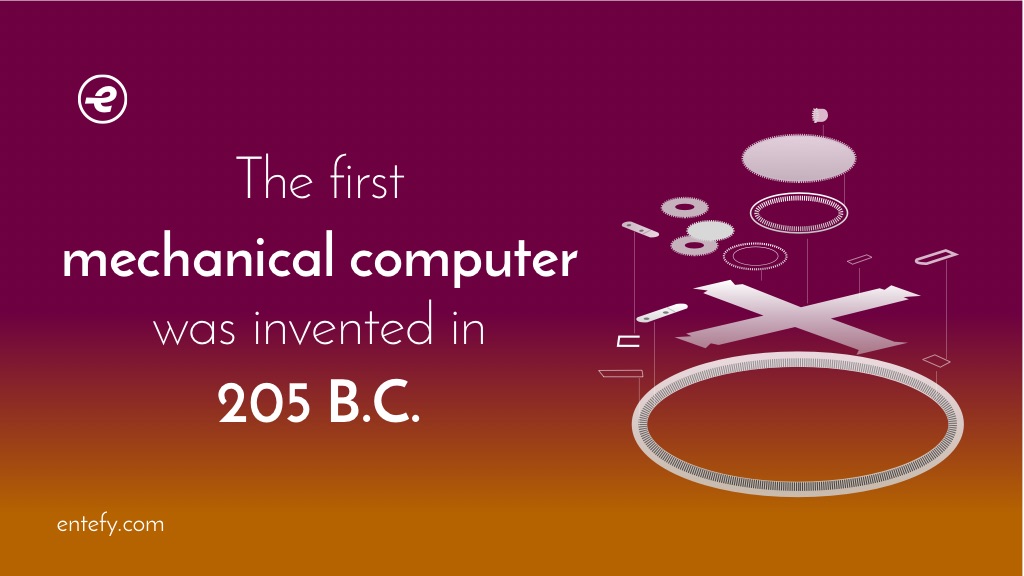
Built around 205 B.C., the Antikythera mechanism is the first known mechanical computer for forecasting astronomical positions and eclipses. It was discovered in 1901 after being lost at sea for nearly 2,000 years. The device consists of 37 bronze gears and “predates other known examples of similar technology by more than 1,000 years.”

Today, technology looks very different but our need for better computing and forecasting remains the same. Whether at home, at work, or in education, Entefy’s AI-powered communication technology helps you get more done in less time.

Infographic

English, Mandarin…Emojis?

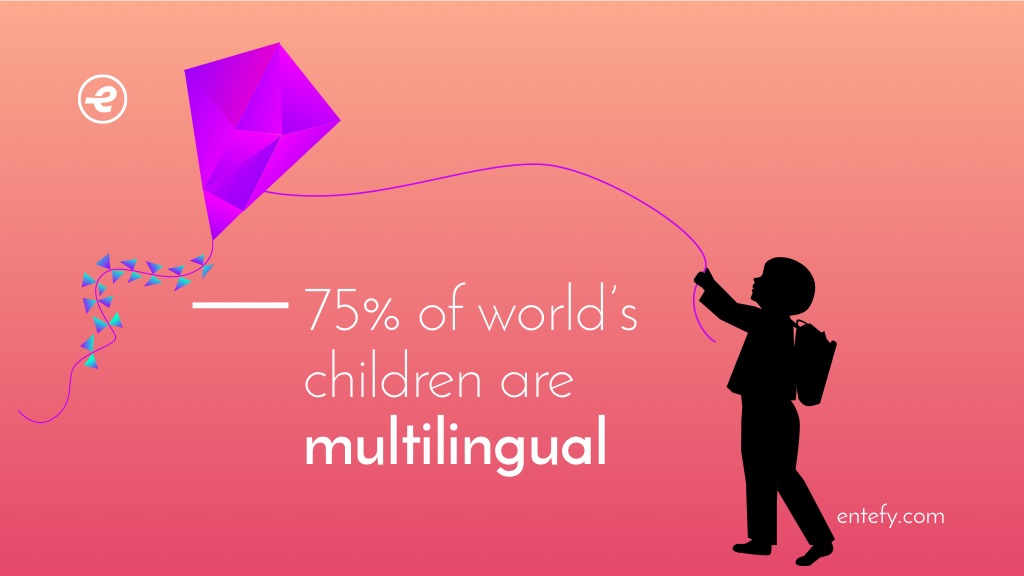
There are 6,909 languages spoken around the globe and three quarters of children worldwide speak two or three of them. Every country has become multilingual. But these days, when you add in new digital modes of expression like emojis, chatspeak, memes, and photo messaging, communication begins to look even more fragmented.

Spoken language might not be universal, but the way we communicate digitally can be. Whether you speak one language or many, digital or otherwise, Entefy’s platform is built to streamline communication in amazing new ways.